Description
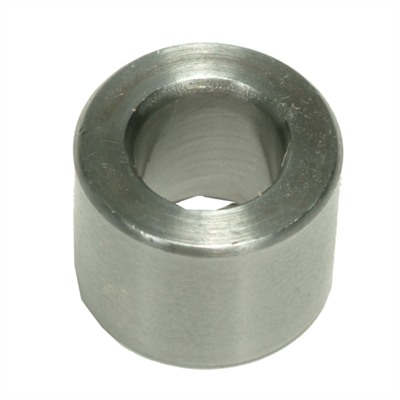
This is the L.E. Wilson .242 steel neck sizer die bushing, part number B-242. It's the small but mighty piece that lets a bushing-style neck die do its job, giving you control over exactly how much your case neck gets squeezed down. Wilson makes these in .001 inch increments, so you can fine-tune neck tension to match your brass and your bullet rather than settling for whatever a one-size die hands you. The result is more consistent grip on the bullet, better concentricity, and longer brass life since you're only working the neck as much as you need to.
Dialing In the Right .242 Bushing
Picking the correct bushing is simple once you know the trick. Measure the outside diameter of a loaded round's neck with a good micrometer, then subtract .002 to .003 inches from that number. That accounts for brass spring-back and leaves you with roughly .001 to .002 inches of grip on the bullet. If you're single-feeding a bolt gun you can lean toward the tighter end, while rounds cycling through a magazine or a semi-auto generally want a touch more spring-back. Keep in mind that different brands of brass have different neck wall thickness, so you may land on a slightly different bushing depending on what cases you run.
How the B-242 Bushing Earns Its Keep
These are precision ground from hardened steel, built to hold their dimension through years of loading sessions. Because steel bushings create more friction than coated ones, a little case lube on the neck keeps things smooth and your sizing consistent. One handy feature: the size marked on the bushing refers to its middle, which is reamed with a slight taper, so flipping the bushing over with the markings facing down gives you a touch tighter squeeze when brass has hardened up and quit holding bullets like it used to.
Wilson bushings interchange freely across Wilson bushing-type neck sizing dies, and they're made to similar specs as Redding bushings, so they'll also work in Redding, Hornady, and RCBS bushing dies. They do not fit Forster dies. For precision and bench rest handloaders chasing tight, repeatable neck tension, a drawer full of these in the right sizes is one of the cheaper paths to better groups.
Key Specifications
- Manufacturer: L.E. Wilson
- Manufacturer Part Number: B-242
- UPC: 815145024329
- Diameter: .242 in
- Material: Polished and precision ground hardened steel
- Bushing Increments: .001 in
- Internal Taper: .003 in (size marked at middle)
- Compatibility: Wilson, Redding, Hornady, and RCBS bushing-type neck dies
- Lube Required: Yes (steel bushing)
- Country of Origin: United States
What’s Included
- One L.E. Wilson .242 steel neck sizer die bushing (B-242)
Frequently Asked Questions
How do I know if the .242 bushing is the right size for my loads?
Measure the outside diameter of a loaded round's neck with a precision micrometer, then subtract .002 to .003 inches. That math accounts for brass spring-back and leaves about .001 to .002 inches of grip on the bullet. If the result lands near .242, this is your bushing, though different brass with different neck wall thickness can shift that number slightly.
Will this L.E. Wilson bushing fit dies from other brands?
Yes. Wilson bushings interchange freely within Wilson bushing-type neck sizing dies, and since they're made to specs similar to Redding, they also work in Redding, Hornady, and RCBS bushing dies. They will not fit Forster dies.
Do I need to lube the case necks when using a steel bushing?
Yes, a little case lube on the neck is recommended with steel bushings. Steel creates more friction than coated or titanium nitride bushings, so a light lube keeps the sizing smooth and consistent and helps your results stay repeatable.
Why does the B-242 bushing have the size marked on one side?
The marked size refers to the middle of the bushing, which is reamed with a slight .003 inch taper. Running it the normal way gives you the marked diameter, but flipping it over with the markings facing down toward the case produces a slightly tighter squeeze. That flip trick is handy when brass has hardened and stopped holding bullets as firmly, or for fine-tuning tension between sizes.




Reviews
There are no reviews yet.