Description
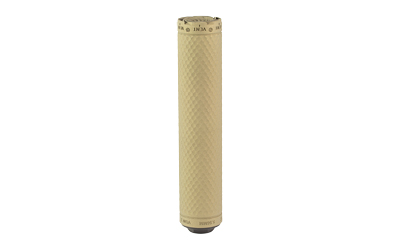
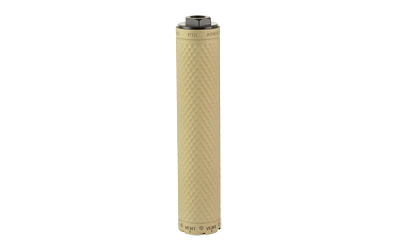
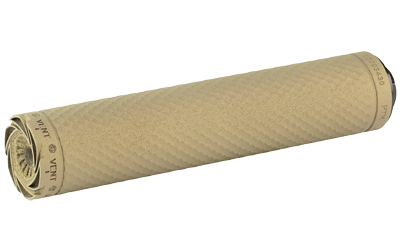
PTR made its reputation building roller-lock rifles to tight tolerances, and the Vent 3 brings that same manufacturing discipline to the suppressor world. This is a dedicated 5.56x45mm can built from a monolithic, 3D-printed titanium structure, which lets PTR engineer complex internal geometry right into the body instead of welding together separate parts. At 11.75 ounces bare, it sits among the lighter full-size 5.56 cans out there, so your carbine still points and swings the way you want it to.
What Sets the Vent 3 Apart
The heart of this suppressor is PTR's patented Purposely Induced Porosity, or PIP. Rather than relying solely on traditional baffles, the design uses purposely porous internal walls to manage gas flow, control expansion, and push pressure forward and out instead of back into the action. The real-world payoff is a noticeably deeper, less offensive tone and meaningfully reduced back pressure, which means less gas blowing into your face and less crud ending up in the receiver, especially on short-barreled guns. Independent testing has shown it performing right up there with much more restrictive cans at the ear, with no tuning needed to get there.
Mounting the PTR Vent 3
The rear interface is the industry-standard HUB pattern (1.375×24), so you are not locked into proprietary hardware. It accepts direct thread inserts, taper mounts, and QD adapters from across the HUB ecosystem, and it ships from PTR with a 1/2×28 direct thread adapter already included for straightforward mounting on most AR-platform rifles.
Built for Hard Use
The Vent 3 is full-auto rated and carries a FDE Cerakote finish that suits a working rifle. The monolithic titanium build handles heat well and holds up to serious firing schedules. Worth noting for upkeep: PTR recommends cleaning the PIP structure at the muzzle end around every 1,500 rounds with a full cleaning cycle near 5,000, depending on your barrel length and ammo. Keep up with that and the Vent 3 will reward you with quiet, consistent performance on your 5.56 build for a long time.
Key Specifications
- Manufacturer: PTR
- Model: Vent 3
- Manufacturer Part Number: V3-5560102
- UPC: 810161700325
- Caliber: .223 Rem / 5.56 NATO
- Material: 3D-Printed Titanium
- Finish/Color: Flat Dark Earth Cerakote
- Overall Length: 7.75 in
- Diameter: 1.625 in
- Weight: 11.75 oz (bare)
- Mount Interface: HUB / Bravo 1.375×24
- Included Adapter: 1/2×28 Direct Thread
- Full-Auto Rated: Yes
- Technology: Purposely Induced Porosity (PIP)
- Product Type: Suppressor
What’s Included
- PTR Vent 3 5.56 titanium suppressor (FDE)
- 1/2×28 direct thread adapter
Frequently Asked Questions
What mounts work with the PTR Vent 3?
The Vent 3 uses the industry-standard HUB interface (1.375×24) at the rear, so it accepts direct thread inserts, taper mounts, and QD adapters from across the HUB ecosystem. It comes with a 1/2×28 direct thread adapter installed, which fits most standard 5.56 AR barrels right out of the box. If you run a different muzzle device system, you can swap in a compatible HUB mount of your choice.
Is the PTR Vent 3 full-auto rated?
Yes. The Vent 3 is full-auto rated and its monolithic 3D-printed titanium construction is built to handle heat and sustained firing schedules. That makes it a solid match for hard-use carbines and SBRs, not just occasional range work.
What does PTR's PIP technology actually do?
PIP stands for Purposely Induced Porosity, which uses engineered porous internal walls alongside the baffle geometry to control gas flow and expansion. The practical result is a deeper, less harsh tone and reduced back pressure, so you get less gas blowing back into your face and a cleaner-running action, particularly on short barrels. It is a genuine design feature validated in independent testing, not just marketing.
How often does the PTR Vent 3 need cleaning?
PTR recommends cleaning the PIP structure at the muzzle end around every 1,500 rounds, with a full cleaning cycle near 5,000 rounds. The exact interval depends on your barrel length and the ammunition you shoot. Staying on top of maintenance keeps the porous structure flowing the way it was designed to and preserves that low back pressure.



Reviews
There are no reviews yet.