Description
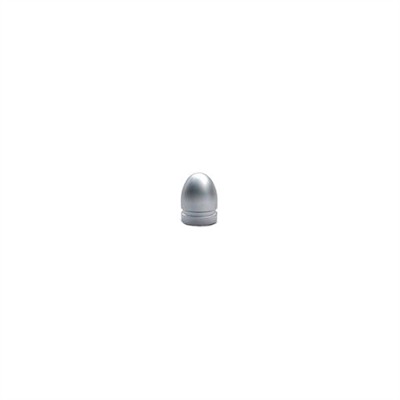
If you shoot a lot of 9mm, 38 Super, or 380 Auto, casting your own bullets is one of the best ways to keep the press running without burning through your budget. The Lee 356-102-1R double cavity mold drops a .356 diameter 102 grain round nose bullet with a 1 ogive radius profile, giving you a classic feeding shape that runs smooth through semi-autos. With two cavities, you get twice the output per pour compared to a single cavity, which adds up quick when you're filling a few hundred cases.
Why Casters Reach for the 356-102-1R Mold
Lee machines these mold blocks from aluminum rather than iron or steel, and that choice pays off at the lead pot. Aluminum heats up and cools down faster, so you can usually start dropping good bullets after just a few casts instead of waiting for a heavy block to come up to temperature. The blocks are also about a third the weight of steel, which means a lot less hand fatigue during a long casting session. Aluminum won't rust either, so the cavities stay clean with basic care.
What the Lee Double Cavity Mold Produces
Each cavity turns out a 102 grain round nose projectile measuring .356 in diameter with a bullet overall length of .464 inches and a ballistic coefficient of .105. The round nose profile is a tried and true design for plinking, practice, and general range use across 9mm Luger, 38 Super Auto, and 380 Auto. Block halves are precision machined for tight roundness and consistent sizing, so your cast bullets come out uniform from the first pour to the last.
Set Up and Accessories for the 356-102-1R
This mold ships with handles and a hard anodized sprue plate already included, so you can get to casting without chasing down extra parts. It does not include sizing equipment, so if your bullets need sizing you'll want to grab a separate Lube and Size Kit. Before your first session, a quick clean with alcohol or lacquer thinner followed by a few warm-up casts gets the mold ready to run. Treat the aluminum blocks gently and this mold will keep dropping good bullets for a long time.
Key Specifications
- Manufacturer: Lee Precision
- Manufacturer Part Number (MPN): 90305
- Model: 356-102-1R
- UPC: 734307903053
- Caliber/Gauge: 9mm (also 38 Super Auto, 380 Auto)
- Bullet Diameter: .356 in
- Bullet Weight: 102 Grains
- Bullet Profile: Round Nose, 1 Ogive Radius
- Number of Cavities: 2 (Double Cavity)
- Block Material: Aluminum
- Bullet Overall Length: .464 in
- Ballistic Coefficient: .105
- Crimp Groove to Nose: .264 in
- Country of Manufacture: United States
- Shipping Weight: 0.9063 lbs
What’s Included
- Lee 356-102-1R double cavity bullet mold
- Mold handles
- Hard anodized sprue plate
- Molded storage case
Frequently Asked Questions
What cartridges can I load with bullets from the 356-102-1R mold?
This mold casts a .356 diameter 102 grain round nose bullet suited for 9mm Luger, 38 Super Auto, and 380 Auto. It's a versatile pistol projectile that covers several popular semi-auto calibers from one mold. The round nose shape feeds reliably for range and practice loads.
Does the Lee 356-102-1R mold come with handles?
Yes, handles and a hard anodized sprue plate are included with the mold, so you're ready to start casting out of the box. It also comes with a molded storage case that holds the mold with handles attached and has space for your bullet sizer and punch. Just note that sizing equipment itself is sold separately.
Why does Lee use aluminum blocks instead of steel?
Aluminum heats and cools faster than iron or steel, so you can usually drop good bullets after just a few warm-up casts. The blocks are also about a third the weight of steel, which cuts down on hand fatigue during longer casting sessions. Aluminum won't rust either, making the cavities easy to maintain.
Do I need to do anything before the first casting session?
A quick cleaning with alcohol or lacquer thinner removes any manufacturing oils from the cavities. After that, pre-heat the mold by pouring a few bullets to bring it up to temperature. Once it's warm you'll start getting clean, fully filled casts, and these blocks don't require a mold release agent.




Reviews
There are no reviews yet.