Description
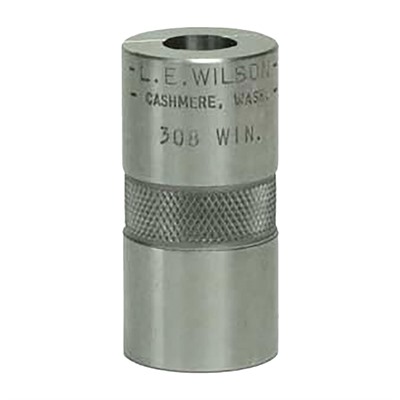
If you're loading for the 6mm GT, this little steel gage earns a permanent spot on the bench. The L.E. Wilson 6mm GT Case Gage is a one-piece, machined tool that checks both overall case length and headspace from the datum line, giving you a fast visual read on whether your brass needs trimming and how much shoulder you're setting back when you resize. Drop a case in, pull out your calipers, and you've got the numbers you need to dial in your full length sizing die.
Why the 6mm GT Case Gage Matters
The most common mistake in reloading is oversizing your brass, which shortens case life and can eventually lead to case head separation. That's the exact problem Sam Wilson set out to solve when he designed the original case gage back in 1935, and the same thinking carries through to this 6mm GT version. By comparing a fired case against a resized one in the gage, you can see precisely how far your die is pushing the shoulder back and tune it so you're only bumping as much as your chamber needs. Less overworked brass means more firings per case and more consistent chamber fit down the line.
Putting the 6mm GT Gage to Work
Using it is straightforward. Measure a case as-fired and note the headspace, resize it on your current die setting, then drop it back in the gage and check it against the ends with a straightedge or a dedicated case gage depth micrometer. From there you adjust your die until you hit your target shoulder bump, then confirm the case length falls within the max length step. It's the kind of simple, repeatable process that takes the guesswork out of precision loading, which is why these gages are a staple for bolt gun and competition reloaders.
One thing worth noting: this gage checks length and headspace, not body diameters, and it's meant to be used with fired cases as your reference for sizing and trimming. For the 6mm GT crowd running tight PRS and benchrest loads, it's a no-nonsense tool that pays for itself in brass life alone.
Key Specifications
- Manufacturer: L.E. Wilson
- Manufacturer Part Number: CG-6GT
- Model Number: CG-6GT
- UPC: 815145027337
- Cartridge: 6mm GT (Small Rifle Primer)
- Type: One-Piece Case Length & Headspace Gage
- Style: Regular (rimless)
- Overall Length: 2.494 in
- Outside Diameter: .991 in
- Inside Diameter (large end): .473 in
- Inside Diameter (small end): .347 in
- Finish: Silver with knurled center
- Country of Manufacture: United States
What’s Included
- L.E. Wilson 6mm GT Case Gage (CG-6GT)
- Instructions
- Cardboard storage box
Frequently Asked Questions
What does the L.E. Wilson 6mm GT Case Gage actually check?
It checks two things: overall case length so you know when brass needs trimming, and headspace from the shoulder datum so you can set your full length sizing die correctly. Drop a fired or resized case into the gage and use calipers or a case gage depth micrometer to read the step at each end. It does not measure body diameters, since it's built to reference length and shoulder position.
Do I need extra tools to use the 6mm GT case gage?
You'll want a set of calipers, and a dedicated case gage depth micrometer makes reading the shoulder bump even more precise. The gage itself does the hard part by giving you a reference surface, and the calipers give you the actual numbers. Most reloaders already have calipers on the bench, so many people just add the depth micrometer if they want finer resolution.
Is this gage for use with fired brass or sized brass?
It's designed to be used with fired cases as your baseline, then you compare your resized cases against that reference to see how much shoulder you're setting back. That comparison is the whole point, since it lets you tune your sizing die to bump the shoulder just enough for reliable chambering without overworking the brass. Checking length afterward tells you when it's time to trim.
Will this help my 6mm GT brass last longer?
Yes, that's one of the biggest reasons people run it. Oversizing is the quickest way to wear out brass and risk case head separation, and this gage lets you see exactly how far your die is pushing the shoulder so you only size as much as your chamber requires. Minimal shoulder bump combined with timely trimming stretches case life considerably.





Reviews
There are no reviews yet.