Description
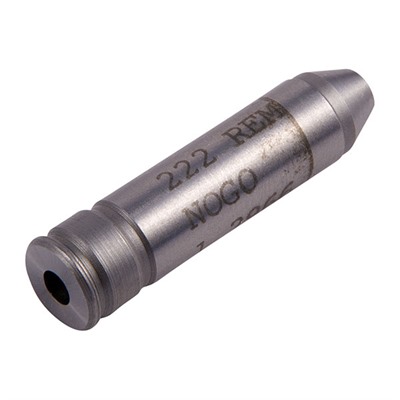
Chambering a fresh .222 Remington barrel comes down to getting the headspace dialed in, and this Forster No-Go gauge is the reference that tells you when to stop. It represents the maximum recommended headspace dimension for the cartridge, so during a barrel install you can check your work against a known standard instead of guessing. Forster gauges are cut to SAAMI specs, and the No-Go allows for a very close headspace setting when you're fitting a bolt action barrel.
How the .222 Remington No-Go Gauge Fits Into a Build
Think of Forster's three gauges as a range: GO, NO-GO, and FIELD, running shortest to longest. The GO sets the minimum, and this No-Go marks the upper end you want to stay under when reaming and fitting a barrel. When you're setting headspace on a new bolt action install, your action should close on the GO and stop short of closing on the No-Go. That gap is your safe, accurate window. It's worth noting the No-Go is meant for setting headspace during a barrel install rather than passing final judgment on an already-assembled rifle, where a field gauge does that job.
Why the Forster No-Go Earns a Spot in the Toolbox
These gauges have a long reputation among gunsmiths and reloaders for good reason. Each one is machined from top-quality hardened steel and precision ground to ANSI and SAAMI tolerances, with a headspace tolerance held to an exacting plus or minus .00015 inch. Every gauge is inspected with NIST-certified measurement tools before it ships, which is the kind of quality control that matters when a measurement this small is the difference between a tight chamber and a loose one.
Using the .222 Remington Headspace Gauge
Using it is refreshingly simple. Drop the gauge into the chamber, close the action, and read the result. Many folks remove the extractor and ejector first for the cleanest, most honest feel since a spring-loaded extractor can mask what the bolt is really doing. No need to disassemble the whole bolt to get a good reading, and the steel body holds up to plenty of repeat use over the years.
Key Specifications
- Manufacturer: Forster Products
- Manufacturer Part Number: HG0222N
- UPC: 757253004278
- Caliber: .222 Remington
- Gauge Style: No-Go
- Type: Rimless Headspace Gauge
- Material: Hardened Steel
- Length: 1.297"
- Headspace Tolerance: ±.00015"
- Standards: ANSI and SAAMI dimensioned
- Country of Manufacture: United States
- Quantity: 1
What’s Included
- One .222 Remington No-Go rimless headspace gauge
Frequently Asked Questions
What does it mean if my action closes on the .222 Remington No-Go gauge?
If the bolt closes on the No-Go, it tells you the headspace is longer than this gauge allows. During a barrel install, that's your cue to keep fitting until the action stops short of closing on it. It doesn't automatically mean the chamber is unsafe, just that it's beyond the tight window this gauge is set for.
Do I need the GO gauge too, or is the No-Go enough on its own?
For setting up a new .222 Remington barrel, most gunsmiths use the GO and No-Go together. The GO confirms the chamber will accept factory ammo, and the No-Go confirms you haven't gone too long. Using both gives you the full picture of where your headspace lands.
Do I have to take the bolt apart to use this Forster gauge?
No, you don't need to disassemble the bolt. The gauge slips right into the chamber and you simply close the action to check it. Many users do remove the extractor and ejector first so those parts don't influence the feel and you get a true reading.
Is the Forster No-Go gauge good for checking a used or surplus .222 rifle?
The No-Go is really designed for setting headspace during a barrel install rather than evaluating an already-assembled gun. For checking whether an existing rifle is safe to fire, a field gauge is the tool made for that job. That said, plenty of builders keep all three lengths on hand to cover every situation.





Reviews
There are no reviews yet.